Journal

Essays from the studio, and from the weather outside it.

Longer arguments about cloth, cities, and the week. Nothing here is a product round-up. If we mention a mill or a cut, it is because we sat with it.

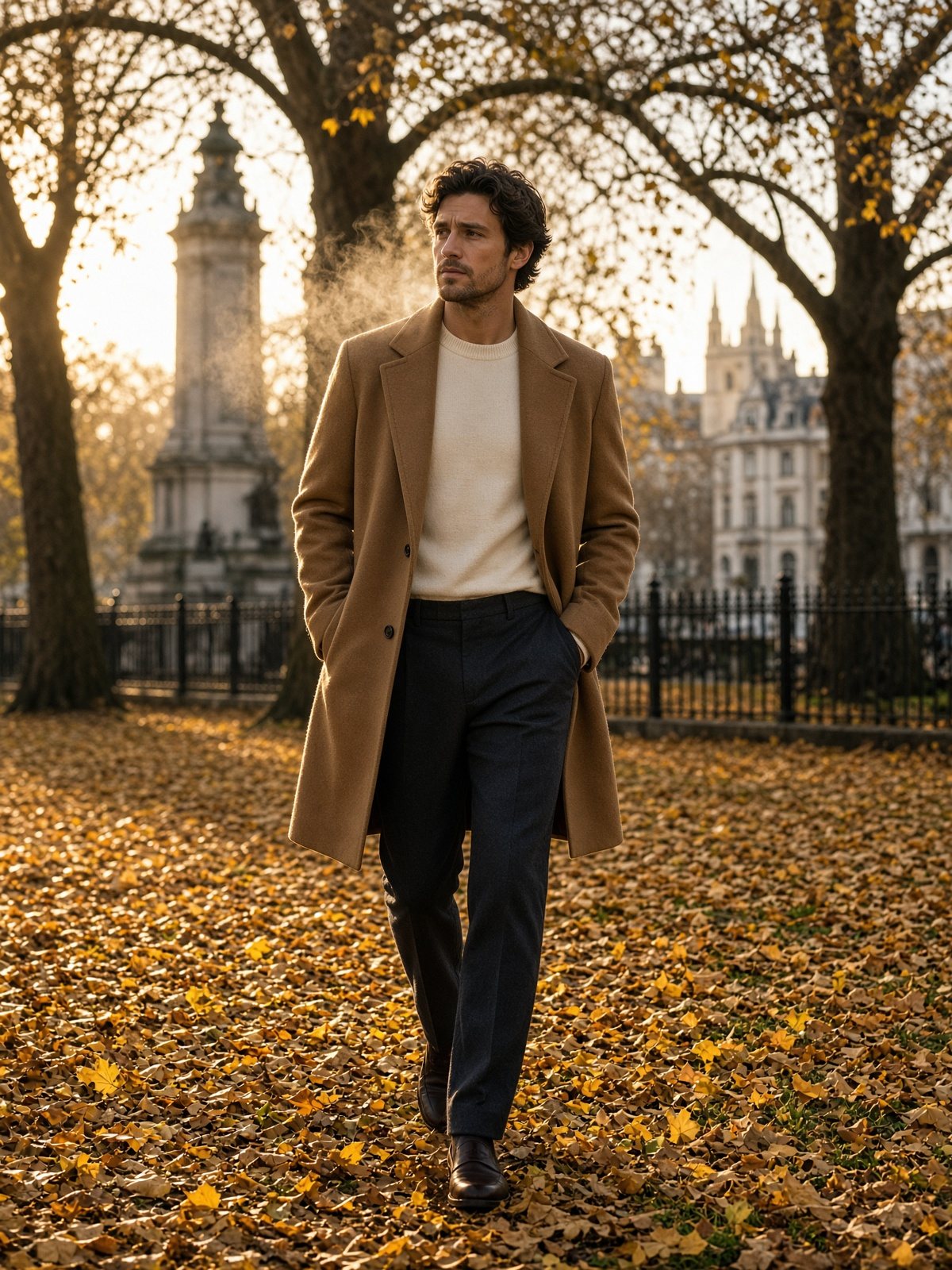
Camel overcoat in autumn rain-adjacent park light

Cloth · 6 min

Why British rain makes better overcoats

Countries with a climate they can trust produce thin coats and then invent indoor lives. Britain never received that memo. The overcoat here is not a finishing layer; it is the garment you are actually seen in, from October until the first week that pretends to be May.

That is why density matters more than water-resistance gimmicks. A tightly woven wool, given a proper canvas, sheds a shower and still looks like clothing when you hang it in a restaurant. A shiny membrane looks like you expected a festival. On a Grosvenor Street pavement at 8am, one of those is correct.

We cut and photograph coats in Manchester light on purpose. Grey skies flatten colour; they also tell the truth about a shoulder. If a coat looks cheap here, it will look cheap in Mayfair. If it holds, it will hold in Edinburgh wind. Buy for the worst Tuesday, not the lookbook skylight.

Care is part of the cloth. Let a wet coat dry on a wide hanger, away from a radiator. Brush it. Do not over-clean it. British rain is not an emergency. It is the reason the garment exists.


Charcoal three-piece flannel suit in a library

Tailoring · 8 min

A Tuesday suit that does not look like Monday

The British working suit has two failure modes. The first is the shiny two-button that was bought for a wedding and then pressed into a decade of meetings. The second is the fashion suit that looks like a photograph until you sit down on a Northern train.

What we want sits between: a charcoal or navy in cloth with some tooth — flannel in winter, a mid-weight worsted otherwise — with a jacket that still buttons after lunch. A waistcoat is not costume if the office is a listed building with original windows. It is heating.

Ties are optional in more rooms than they were, which makes the collar more important, not less. An unbuttoned oxford under a good jacket is a decision. An unbuttoned cheap shirt is a gap. If you keep the tie, keep it knitted or a quiet grenadine. Stripes that shout “regiment” when you have no regiment are a tell.

Tuesday is the test because nobody is performing. If the suit still looks like you chose it, keep it. If it looks like the suit chose you in 2019, send it to a tailor or let it go.

Navy overcoat on a Manchester tram at dusk

City · 5 min

What a Manchester tram teaches about layering

The Metrolink is a greenhouse with a draught. You board in rain, sit in heat, and step into a wind corridor at St Peter’s Square. The man who wears one padded jacket through all three states will look wrong in at least two of them.

The old answer still works: a shirt or knit you can live in, a jacket you can unbutton, a coat you can carry. Coats with a decent crook in the collar sit on a forearm without looking like a duvet. Bags with a clean line beat backpacks in most of the rooms this city still cares about.

We keep coming back to the tram because it is honest. Nobody is on a set. If a look survives the 17:10 to Altrincham, it will survive a dinner.

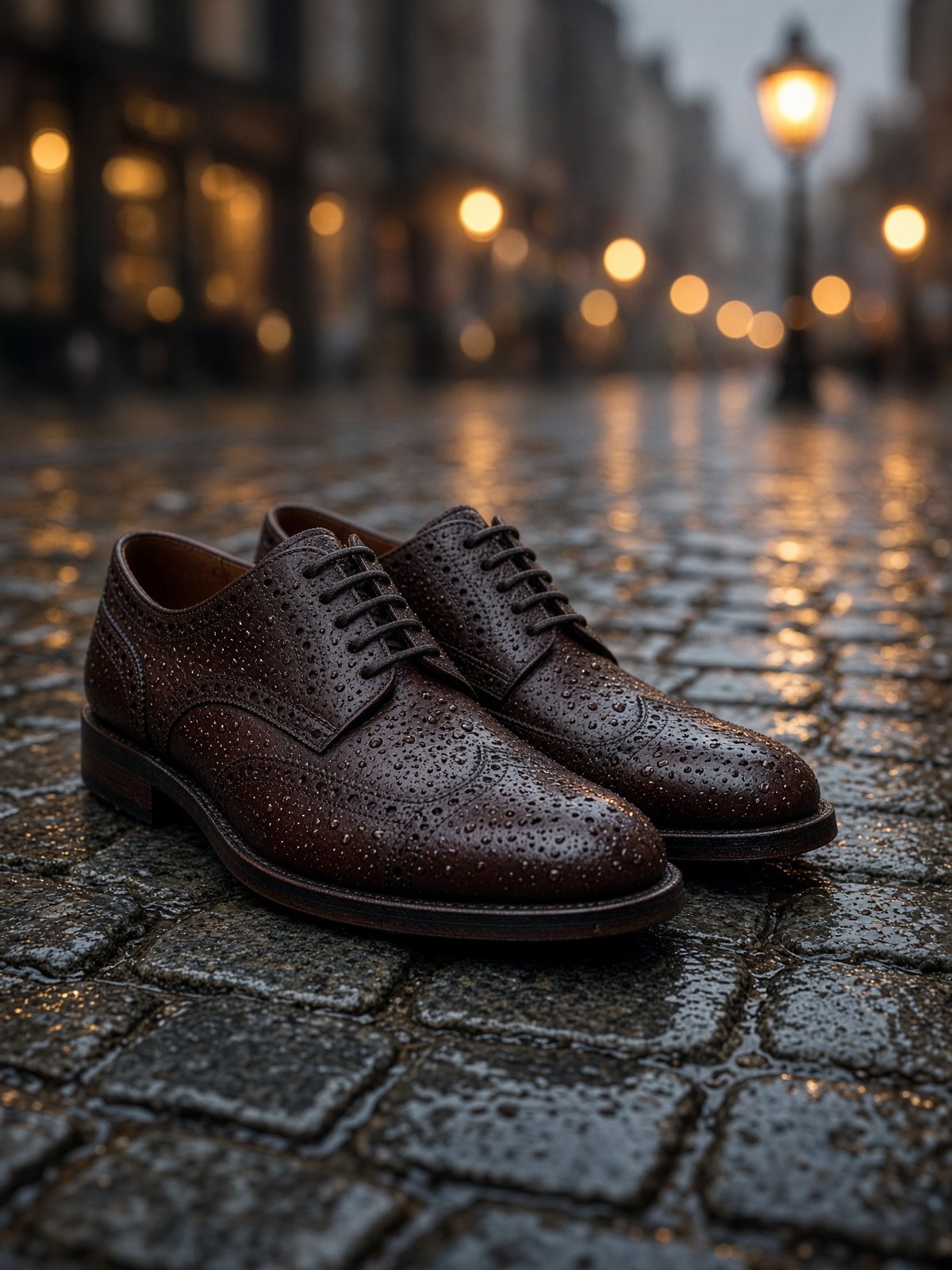
Polished brogues on wet cobblestones at night

Detail · 4 min

The quiet politics of a well-cut collar

Collars are how a room decides if you are in it. A point collar under a suit still reads as Britain; a long collar that flops is a shirt that was not ironed or was never made to stand. Button-downs belong with knit and tweed, not with a funeral.

The same rule applies to shoes. A brogue on wet cobbles, maintained, says you expected the street. A clean white trainer in the same rain says you expected a car. Neither is a moral failure. Only one of them belongs in our lookbook.

We photograph details because the British climate is a close-up. Rain on leather, a cuff at the right length, a watch that is not a billboard. That is the entire argument of dentxora, in a cobble and a welt.

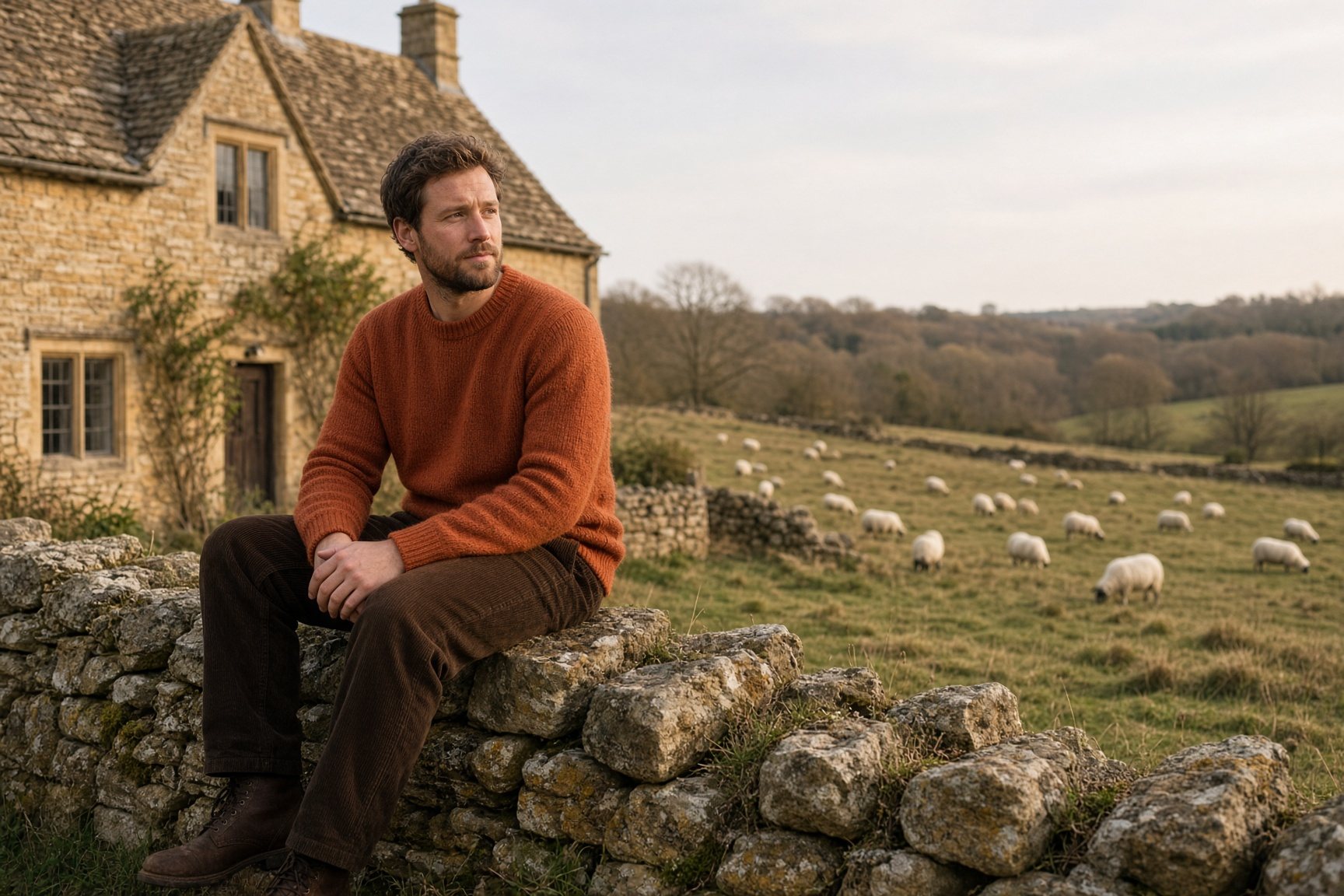
Weekend knit in the Cotswolds

Weekend · 7 min

Saturday in the Peak District, Sunday in Spinningfields

The modern British weekend is a split shift. Saturday can still be a ridge and a pub fire. Sunday is often a city lunch, a shop that should have been an errand, and a train home. Dressing for only one of those days is how men end up in a technical jacket at a restaurant, or in city shoes on a wet path.

Carry the field jacket in the boot or the kit bag. Wear the knit in both places. Change the shoes. That is not fuss; it is how this island is built. The man who looks correct in both photographs did not buy more. He planned the sole.